
The Ultimate Vietnam Food Guide: 25 Must-Try Dishes & Culture Tips
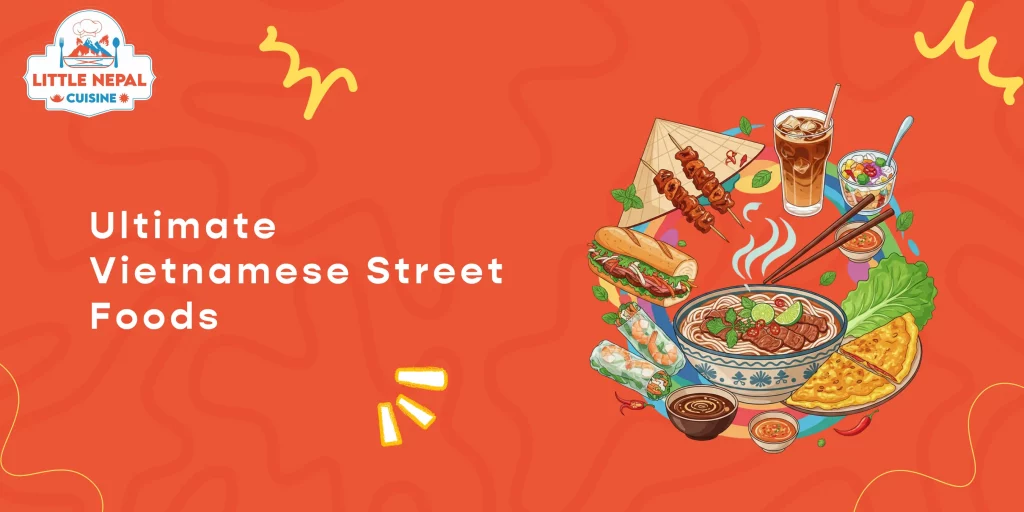
Vietnamese food brings together an amazing range of flavors—sweet, salty, sour, savory—sometimes all in a single bite. If you love fresh herbs, fish sauce, lime, and simple ingredients, you’ll feel right at home. These dishes somehow stay light and satisfying at the same time. Whether you’re slurping up a steaming bowl of noodle soup or biting into crispy spring rolls, every plate has its own story, shaped by Vietnam’s regions and traditions.
You’ll run into classics like pho and bánh mì, but there’s so much more—think clay pot fish, coconut pancakes, or beef wrapped in lolot leaves. These recipes show off both northern and southern cooking styles. Along the way, you’ll notice how each region puts its own spin on things, and you’ll pick up a bit about the culture behind the food.
Maybe you’re curious to try making these dishes at home, or maybe you just want to know what makes Vietnamese cuisine stand out. Either way, this guide covers the essentials. Every dish here highlights that fresh, balanced approach you’ll find in traditional Vietnamese cooking.
25) Xôi Gà (sticky rice with chicken)
Xôi Gà is a beloved Vietnamese dish that locals often grab for breakfast, but honestly, it works any time of day. You get tender shredded chicken piled over sticky, plump rice—pure comfort food.
What makes it work? Simple but bold flavors. Sweet Chinese sausage gives a nice contrast, and a sprinkle of crispy fried shallots on top adds that satisfying crunch everyone loves.
Vietnamese sticky rice with chicken usually comes with chicken that cooks down in caramelized sweet soy sauce. That’s where you get the balance of sweet and savory. A quick drizzle of soy sauce at the end brings everything together.
You can eat Xôi Gà all by itself for a filling meal. If you want something brighter, try it with pickled veggies or a cucumber salad.
The charm of this dish is in how straightforward it is, both to make and to eat. It’s naturally dairy-free and can be gluten-free if you use the right soy sauce. Whether you need a quick breakfast or a hearty dinner, Xôi Gà brings real Vietnamese flavors in every bite.
24) Ca Kho Tộ (claypot caramelised fish)
This Southern Vietnamese comfort dish will have you finishing your bowl of steamed rice before you realize it. Cooks simmer tender fish pieces in a dark caramel sauce until it turns sticky and glossy.
The magic comes from blending fish sauce, sugar, and aromatics together in a clay pot. Catfish is the usual pick, but honestly, any firm fish will do. You’ll braise the fish slowly so the sauce reduces to a thick, mahogany glaze.
Shallots, garlic, black pepper, and chili all join in to give this dish its signature kick. What you get is a perfect mix of savory and sweet, with just a gentle heat. This classic Mekong Delta dish feels like home cooking at its best.
Honestly, the caramelized fish turns any meal into something special. It’s comforting, but not expensive. The clay pot keeps the fish moist and tender, and those deep flavors—wow, that’s what makes Vietnamese food unforgettable.
23) Bún Riêu (crab and tomato noodle soup)
People say bún riêu is one of Vietnam’s most beloved noodle soups, even if it doesn’t get as much hype as phở. But this tangy, tomato-based broth? It deserves the spotlight.
Freshwater crab paste, pork, and tomatoes give the soup its unique flavor. You’ll spot the bright red color right away when your bowl hits the table. It started in northern Vietnam, but now you’ll find different versions all over the country.
So what makes bún riêu stand out? The riêu itself—soft crab cakes floating in the broth with fried tofu puffs. Underneath, you’ll dig into rice vermicelli noodles and a heap of fresh herbs on top. The broth balances tangy tomato with savory shrimp paste and fish sauce.
Lots of locals grab this for breakfast or lunch at street food stalls. Usually, you’ll get lime wedges, chili, and extra herbs on the side so you can tweak the flavors however you like.
22) Bánh Khọt (mini savory coconut pancakes)
These crispy Vietnamese mini pancakes are a street food favorite you really shouldn’t skip. People mix rice flour, coconut milk, and turmeric to make the batter, which gives the pancakes their golden color and light, airy texture.
You cook the batter in a special pan with little round wells, which creates the signature shape—crisp on the bottom, soft in the middle. Most of the time you’ll see them topped with shrimp, but sometimes pork or veggies make an appearance.
The best part about bánh khọt? It’s how you eat them. You wrap each mini pancake in fresh lettuce with herbs like mint and basil, then dunk it in nuoc cham, that tangy fish sauce dip that balances out the rich coconut flavor.
The mix of textures is what keeps people coming back. There’s crunch from the edges, a tender bite inside, and the pop of fresh herbs in every mouthful.
These bite-sized pancakes started out in southern Vietnam but now show up everywhere. They work great as a snack or a light meal, especially if you’re sharing with friends.
21) Ốc Luộc (boiled snails with dipping sauce)
If you wander through Hanoi’s street food scene, you’ll spot boiled snails everywhere, especially as the sun goes down. Locals love gathering for this dish with friends—it’s a whole vibe in the evenings.
Vendors scrub the snails clean, then boil them with lemongrass, lime leaves, ginger, and chili. The aroma alone will pull you in from half a block away.
But what really makes ốc luộc special is the dipping sauce. It hits all the notes: sweet, sour, salty, spicy. Usually, it’s fish sauce, kumquat, sugar, ginger, chili, and lime leaves—simple, but brilliant.
The snail meat is chewy and sweet. You’ll use a toothpick to coax it out of the shell, dip it in the sauce, and pop it in your mouth. It’s not fancy, but it’s good.
This dish is all about bringing people together. Groups crowd around steaming pots, laughing, talking, and sharing plates of snails. It’s more than food—it’s an experience.
20) Nem Nướng (grilled pork sausage skewers)
You’ll see nem nướng on menus everywhere, and for good reason. This grilled pork sausage got its start in Nha Trang, but now it’s a favorite all over Vietnam. People season ground pork with garlic, fish sauce, and spices, then shape it onto skewers.
The texture is a little springy thanks to tapioca or corn starch mixed into the pork. When you bite in, you get smoky char from the grill and a sweet-savory punch from the marinade.
These sausages are crazy versatile. You can grill them over charcoal for that real-deal flavor, or just bake or air fry at home if you’re in a hurry.
The traditional way to eat nem nướng? Wrap it up in fresh lettuce or rice paper with herbs and veggies. Don’t forget to dunk each bite in a tangy dipping sauce—it takes things to another level.
This street food staple works as an appetizer or a main dish. You’ll see them at barbecues and parties all summer, where the aroma draws everyone in.
19) Chè Ba Màu (three-colour dessert)
If you want something cool and sweet to finish your meal, you can’t go wrong with chè ba màu. This dessert looks as good as it tastes, with three colorful layers stacked together in one bowl.
You get sweet mung beans, soft red beans, and bright green pandan jelly layered up. Then, someone pours creamy coconut milk over crushed ice right before serving.
Every spoonful is different: the beans are soft and a little sweet, the pandan jelly is chewy and fragrant, and the coconut milk brings it all together. It’s a party of textures and flavors.
This three-color dessert really shines on hot days when you need something refreshing. You’ll spot it at restaurants and dessert shops, usually in a tall glass so you can see all the pretty layers.
The name literally means “three-color sweet soup.” Making each layer takes a bit of patience, but honestly, the final result is worth every minute for this refreshing treat.
18) Bánh Bao Bánh Vạc (Hoi An white rose dumplings)
If you ever make your way to Hoi An, you’ll spot one of Vietnam’s most delicate specialties just waiting for you. White rose dumplings get their name from their gorgeous, flower-like shape—kind of poetic, isn’t it?
Chefs wrap translucent rice paper to look like little roses, then tuck in a filling of minced shrimp or pork mixed with just the right amount of spices. The ingredients are simple, but honestly, making them takes a gentle hand and a lot of care.
What really sets these dumplings apart? Their backstory. A family of Chinese origin brought the recipe to Hoi An about 130 years ago. Even now, their descendants still knead the dough and supply it to restaurants all over town. That’s some serious tradition.
Most places serve bánh bao bánh vạc on a plate with a splash of fish sauce and a sprinkle of fried shallots. The combo of the soft, chewy wrapper and that savory filling? You’ll remember it, trust me.
This dish is unique to Hoi An, so if you’re wandering the ancient streets, don’t skip it. You just can’t get the real thing anywhere else in Vietnam.
17) Cari Gà (Vietnamese chicken curry)
Vietnamese chicken curry brings together tender chicken and veggies in a rich, creamy coconut broth. That golden yellow color? It comes from turmeric and curry spices that give the dish its warm, aromatic flavor.
You’ll get chunks of chicken simmering with potatoes and carrots in a sauce that’s lighter than Thai curry but still super satisfying. The coconut milk base makes it creamy without weighing you down.
What’s cool about cà ri gà is how flexible it is. You can ladle it over steamed rice for a cozy meal. Or, go for rice noodles if you want to mix things up. Lots of locals also grab a crusty baguette to soak up every last drop of that flavorful broth.
This hearty stew shows up all over Vietnam, especially in Saigon. The way the spices, tender meat, and veggies come together makes it perfect comfort food. It’s warming, filling, and honestly, every spoonful packs a punch of flavor.
16) Bò Lá Lốt (beef in lolot leaves)
You’ll spot this popular Vietnamese street food at markets and restaurants everywhere. It looks simple, but wow, the flavor is next-level.
Cooks season ground beef, wrap it in fragrant lolot leaves, and then grill it until it’s smoky. The leaves—called piper lolot or piper sarmentosum—sometimes get translated as wild betel leaves. These wraps are common in Southeast Asia and give the beef a unique, herbal kick you just can’t fake.
Take a bite of these little parcels and you’ll get juicy, marinated meat with those fragrant leaves. Grilling adds a smoky, charred note that ties it all together.
You can eat bò lá lốt as a starter or a main. It often shows up as part of the traditional “Beef Seven Ways” feast in southern Vietnam. Lots of people wrap them in rice paper with fresh herbs and noodles, then dip everything in fish sauce or fermented anchovy sauce for an extra punch.
15) Thịt Kho Tàu (caramelised braised pork and eggs)
You’ll see this classic Vietnamese comfort dish on dinner tables all over the country, especially during Tết. The dish brings together tender pork belly and hard-boiled eggs that soak up all the flavors as they braise slowly.
What makes thịt kho tàu stand out? It’s the way people cook it. They braise the pork in coconut water with a caramelized sauce of fish sauce and sugar. That gives everything a glossy, sweet-and-savory finish.
After simmering low and slow, the pork belly turns melt-in-your-mouth tender. The eggs soak up that rich sauce too, and honestly, they taste fantastic.
Traditional Vietnamese cooks often use clay pots for this dish, which spreads the heat just right. Usually, folks serve it with steamed white rice and some fresh greens on the side.
Funny enough, the dish gets even better the next day after the flavors have had time to mingle. It’s the kind of homey meal that just brings everyone to the table.
14) Canh Chua Cá (Vietnamese sour fish soup)
If you’re craving something that’s tangy, sweet, and savory all at once, Canh Chua Cá is a Southern Vietnamese dish you really should try. The name means “sour fish soup”—and yep, that’s exactly what you get.
This traditional soup comes from the Mekong Delta in southern Vietnam. Cooks use tamarind to give the broth its signature tartness and bright, tangy taste. Usually, they simmer catfish or other freshwater fish in the broth with tomatoes, pineapple, okra, and bean sprouts.
They often toss in fresh herbs like dill or cilantro right at the end, so every spoonful smells and tastes refreshing. The soup is light but still comforting—kind of the best of both worlds.
When you’re in Vietnam, you’ll spot Canh Chua served with steamed white rice and a bunch of side dishes for a proper family-style meal. The mix of textures and flavors keeps things interesting. It’s really the kind of dish that warms you up but still feels fresh.
13) Bún Thịt Nướng (grilled pork with vermicelli)
You’ll spot bún thịt nướng at almost every Vietnamese restaurant, and honestly, there’s a reason for that. The dish brings together smoky grilled pork and soft rice vermicelli noodles in a way that’s both filling and refreshing.
The real star is the marinated pork. Cooks use lemongrass, garlic, and fish sauce before grilling it. You’ll taste those caramelized edges and that special char that makes Vietnamese grilled pork so addictive.
But it’s not just the pork—what makes this noodle bowl shine is everything else. Fresh herbs like mint and cilantro brighten things up. Pickled carrots and daikon add tang. Crushed peanuts bring crunch.
The whole thing gets a drizzle of nước chấm, that sweet-savory fish sauce dressing that ties it all together. Mix it up or eat it layer by layer—it’s your call. Either way, you’re getting a balanced, light-but-satisfying meal with flavors that just work together.
12) Mì Quảng (Quang Nam turmeric noodle dish)
If you’re ever in Central Vietnam, you’ll come across Mì Quảng from Quang Nam province. This noodle dish stands out because it’s not quite a soup and not quite dry noodles—kind of its own thing.
The wide rice noodles are bright yellow from turmeric, and you only get a splash of flavorful broth—just enough to moisten the noodles, not drown them. It’s a nice change from other Vietnamese noodle soups you might know.
Your bowl usually has pork, shrimp, or chicken on top. There’s always fresh herbs, crushed peanuts, and veggies for crunch. One of the best parts? The toasted sesame rice cracker called bánh tráng mè that you break up over everything.
Turmeric gives the broth its golden color and earthy flavor. You can dig into this herb-packed noodle dish in Da Nang and all around Quang Nam. If you’re looking to go beyond phở, this is a must-try.
11) Bánh Cuốn (steamed rice rolls)
If you’re exploring Vietnamese food, you really have to try bánh cuốn. These delicate steamed rice rolls come from thin sheets of rice batter that are almost see-through.
Cooks usually fill the rolls with seasoned ground pork and wood ear mushrooms. You’ll get them topped with crispy fried shallots, plus fresh herbs on the side.
Bánh cuốn is a favorite light breakfast in northern Vietnam, especially up in Hanoi. The dish comes with slices of Vietnamese pork sausage (chả lụa) and a bowl of sweet and savory dipping sauce.
The rice sheets are soft and silky, so every bite feels light but still satisfying. Dip them in nước chấm sauce, and the flavors just click.
You can snack on bánh cuốn or have enough for a meal. It’s a great example of how Vietnamese food can be simple and still totally packed with flavor.
10) Phở Gà (Vietnamese chicken pho)
If you’re after comfort in a bowl, Vietnamese chicken pho is probably your best bet. This lighter cousin of beef pho brings you tender poached chicken, silky rice noodles, and a clear broth that’s fragrant and soothing—honestly, it’s hard not to love.
The magic? It all starts in the broth. You char aromatics and toast spices, and those create a gentle, warming flavor that kind of hugs you from the inside. Chicken pho cooks up much faster than beef pho and you don’t need to fuss with as much prep, so it’s great when you’re craving something quick but still want that satisfying feeling. Chicken pho cooks much faster and takes less effort—just a win all around.
What makes phở gà special, in my opinion, is how beautifully aromatic it is without ever feeling heavy. You get the comfort of classic pho, but with a taste that’s brighter and cleaner. Works for any season, really.
You pile on fresh herbs, bean sprouts, lime wedges, and chillies. Each bowl is yours to customize, depending on what you’re in the mood for. Whether you’re under the weather or just want something nourishing, this soul-warming soup always delivers.
9) Bún Chả (Hanoi grilled pork with noodles)
Visit Hanoi and you’ll see bún chả is the city’s most iconic lunch. It’s simple but packed with flavor—locals actually line up for it at lunchtime, so you know it’s legit. It’s a flavourful meal that locals queue up for daily.
Charcoal-grilled pork patties and caramelized pork belly get tossed together with cool rice vermicelli noodles. You grab a bowl of tangy fish-sauce dipping broth and a plate loaded with fresh herbs—mint, lettuce, perilla, all the good stuff. The dish combines grilled pork and noodles for a classic combo.
Bún chả shot to global fame after President Obama and Anthony Bourdain ate it together in Hanoi back in 2016. But, honestly, locals have loved it forever.
You eat it by dipping noodles and herbs into the sweet-savoury broth, then tossing in pieces of smoky pork. Every bite gives you a mix of textures and flavors that just work.
The best bún chả spots in Hanoi are usually humble street stalls, and you’ll probably end up on a tiny plastic stool. Don’t let that fool you, though—this dish is Vietnamese cooking at its absolute best.
8) Bánh Xèo (Vietnamese savoury pancake)
You’ll probably hear bánh xèo sizzling away in the pan before you actually see it. The name literally means “sizzling cake”—that sound when the batter hits the hot pan is just unmistakable.
This crispy Vietnamese pancake gets its yellow color from turmeric and rice flour. The thin, crunchy shell wraps up pork, shrimp, and bean sprouts. It’s surprisingly light for something so satisfying.
Order bánh xèo at a restaurant and you get a mountain of fresh herbs and lettuce on the side. You’re supposed to tear off pieces, wrap them up with herbs in lettuce, and dip everything into tangy fish sauce. It’s a bit of DIY fun at the table.
The best part? The textures. The pancake crunch, the freshness from the herbs, and that savory, juicy filling—all in one bite. Kind of addictive, honestly.
This gluten-free dish is perfect for sharing with friends. It’s fun to build your own wraps and try out different herb combos. Messy, maybe, but always worth it.
7) Chả Giò (crispy fried spring rolls)
You’ll spot these golden fried spring rolls at pretty much every Vietnamese celebration or family gathering. They’re the kind of snack that vanishes before you can even think about seconds.
Chả Giò packs a savory mix of ground pork, shrimp, veggies, and wood ear mushrooms into delicate rice paper. People then deep-fry the rolls until they’re golden and super crispy. Each bite gives you that satisfying crunch on the outside, while the inside stays juicy and full of flavor.
The filling usually includes glass noodles and finely chopped veggies. Some folks swap pork for ground chicken, depending on what they like.
Order chả giò and you’ll get them piping hot, with fresh lettuce, herbs, and a tangy dipping sauce. Wrap each roll in lettuce with some herbs, dip it, and enjoy. This beloved Vietnamese staple just nails the balance of crispy and fresh, making it one of the country’s top appetizers.
6) Gỏi Cuốn (fresh spring rolls)
You’ll see these light, refreshing spring rolls at almost every Vietnamese spot—and for good reason. They’re kind of the perfect way to kick off a meal.
Unlike the fried ones, Gỏi Cuốn uses translucent rice paper to wrap up fresh ingredients. Expect cooked shrimp, tender pork, rice vermicelli, crisp lettuce, and fragrant herbs like basil and mint in each bite.
The rice paper lets you see all the colorful layers before you even dig in. Each roll usually comes at room temperature, so they’re ideal when it’s hot out and you want something light.
Your spring rolls arrive with a rich peanut dipping sauce that adds a savory kick to all those fresh veggies and herbs. Some places offer fish sauce too, if that’s more your thing.
People sometimes call these Vietnamese fresh spring rolls “summer rolls”—makes sense, since they’re so refreshing. They’re a healthy choice when you want something filling but not heavy.
5) Cơm Tấm Sườn Bì Chả (broken rice with grilled pork)
This classic Vietnamese pork dish started in Southern Vietnam and now pretty much everyone across the country loves it. You’ll spot it piled with grilled pork chops, shredded pork skin, and egg meatloaf over broken rice.
The story behind it is humble. Farmers and poorer communities ate broken rice grains left over after milling. What started as a cheap meal turned into a favorite for its unique texture and taste.
Order this dish and you’ll get fragrant steamed broken rice as your base. People grill the pork chop for that smoky flavor, while shredded pork skin adds a chewy texture. The egg meatloaf brings a soft, savory touch that balances everything out.
Fresh cucumber and tomato slices come on the side, plus pickled carrots and daikon. Someone usually drizzles a tangy-sweet sauce over the top to tie it all together. Once you try it, you’ll get why so many people adore this meal in Vietnam.
4) Cao Lầu (Hoi An noodle dish)
When you make it to Hoi An, you really have to try Cao Lầu, the city’s signature noodle dish. It’s not your average Vietnamese noodle soup, that’s for sure.
You get thick, chewy rice noodles topped with slices of barbecue-style pork, fresh herbs, bean sprouts, and crispy rice crackers. There’s just enough flavorful broth to coat the noodles, not drown them.
People give the noodles their special texture by soaking rice in lye water from specific Hoi An wells. That process makes them firm and chewy—you won’t find noodles quite like this anywhere else in Vietnam.
The dish actually reflects Hoi An’s history as a trading port back in the 16th and 17th centuries. Japanese, Chinese, and other traders brought their own food traditions, influencing this unique dish.
You can find Cao Lầu all over Hoi An, from street stalls to restaurants. If you’re exploring central Vietnam’s food scene, it’s a must-try.
3) Bún Bò Huế (spicy beef noodle soup)
If you’re into bold flavors, you should really try this spicy beef noodle soup from Hue. It’s nothing like pho, honestly—the broth is richer, spicier, and just has more going on.
Lemongrass gives the soup its signature citrusy aroma—it’s the first thing you’ll notice. Instead of flat noodles like pho, you get thick, round rice noodles. People simmer beef bones and pork for hours to make the deep, flavorful broth. That’s what gives it that complex taste.
Your bowl usually comes loaded with sliced beef shank and pork. Sometimes, you’ll get extra bits like pork blood cubes or pig’s knuckle—those add fun textures if you’re feeling adventurous.
The spice level is what sets this soup apart. Chilli oil gives the broth its red color and fiery kick. Fresh herbs—mint, cilantro, basil—plus lime wedges and bean sprouts come on the side, so you can adjust everything to your liking.
This authentic Vietnamese dish is perfect when you want something warming, filling, and with a little heat. Maybe not for the faint of heart, but definitely worth a try.
2) Bánh Mì Thịt (Vietnamese pork bánh mì)
Walk through almost any street in Vietnam and you’ll spot this classic Vietnamese pork sandwich. It’s the kind of food that really shows off the blend of French and Vietnamese flavors.
It all starts with a crispy baguette—crackly outside, soft and fluffy inside. The French brought the bread, sure, but everything else inside? That’s all Vietnam.
Bite in and you’ll find savory pork, rich pâté, pickled veggies, and a handful of fresh herbs. The pickled carrots and daikon give a tangy crunch that cuts through the richness of the meat. Then there’s cilantro and cucumber—so fresh, they really wake up every bite.
Some places swap in lemongrass-marinated grilled pork instead of cold cuts. You might also get a swipe of mayo and a splash of chili oil if you’re lucky.
Honestly, what makes bánh mì thịt stand out is how all those different flavors and textures just work together. Every part does its job, but nothing shouts over the rest. It fills you up but somehow doesn’t leave you feeling heavy. How do they do that?
1) Phở Bò (Hanoi-style beef pho)
If you ask around, people will tell you that phở bò basically represents Vietnam’s national dish. It’s a noodle soup that brings together flat rice noodles, tender beef, and a broth that smells like comfort itself.
Hanoi-style phở gets its reputation for a clear, delicate broth and simple toppings. Here, you taste the real deal—no need to drown it in extra stuff.
Order a bowl and you’ll get silky noodles, thin beef slices, and a scatter of herbs. But the real magic? That broth. People in Hanoi start simmering it at midnight so it’s ready by sunrise. That’s dedication.
By the way, you say it “fuh,” like you’re asking a question. “Phở” is just rice noodles, “bò” means beef. Simple.
Most locals eat this for breakfast, but honestly, it works any time. It’s the kind of soup you want when you’re feeling under the weather—or when you’re celebrating something. Every family has their own recipe, handed down and guarded like treasure.
Regional Diversity of Vietnamese Cuisine
Vietnam stretches more than 1,600 kilometers from top to bottom, and that distance shapes how people cook in every region. Up north, the cooler weather means food is subtle and balanced. In the center, you’ll find bold, spicy dishes. Down south, it’s all about sweetness and variety, thanks to the tropical climate.
Northern Flavours
Northern Vietnamese cooking goes way back. Here, cooks focus on balance and restraint—they don’t go wild with flavors.
Food up north uses less sugar and fewer spices than you’ll find elsewhere. Since the climate’s cooler, fresh herbs and veggies aren’t as common, so people rely on simple ingredients and careful prep. Black pepper is the main spice, not chili peppers.
Key Northern Dishes:
- Phở – The famous beef noodle soup that started in Hanoi
- Bún chả – Grilled pork with noodles and herbs
- Chả cá – Turmeric fish with dill
Seasoning in the north is pretty precise—nothing too strong. You’ll pick up on the little differences between ingredients, not just a blast of flavor. This style says a lot about the region’s long history and traditional ways.
Central Specialties
Central Vietnam? Now that’s where the heat kicks in. The region was once home to Vietnam’s royal court, and you can see that in the complexity and presentation of the food.
Chili peppers show up everywhere here. The food balances spicy, salty, and sour in a way that really wakes up your taste buds. Dishes are usually smaller and a bit fancier, probably thanks to that royal influence.
Popular Central Dishes:
- Bún bò Huế – Spicy beef noodle soup with lemongrass
- Mì Quảng – Turmeric noodles with pork and shrimp
- Bánh bèo – Steamed rice cakes with savory toppings
Here, food reflects both the creativity of royal chefs and the resourcefulness of coastal folks. Central specialties often mix surprising textures and bold flavors you won’t forget.
Southern Influences
Down south, Vietnamese food gets sweeter and a bit more adventurous. The tropical climate and the Mekong Delta’s bounty mean you get fresh produce all year.
Lots of dishes have a bit of added sugar, whether it’s soup or a stir-fry. Coconut milk pops up often, making things rich and, well, a little bit sweet. You’ll also taste hints of Cambodia and Thailand in some flavors.
Common Southern Dishes:
- Hủ tiếu – Sweet pork and seafood noodle soup
- Cơm tấm – Broken rice with grilled pork
- Bánh xèo – Crispy coconut pancakes with bean sprouts
The south loves bold, sweet flavors and doesn’t mind mixing things up. Street food here is wild—vendors offer everything from tropical fruit to curries inspired by the neighbors.
Cultural and Social Significance of Vietnamese Dishes
Vietnamese meals bring people together, following customs that have been passed down for ages. Food connects families, honors ancestors, and helps build community bonds.
Traditional Food Customs
Family comes first in Vietnamese food culture, and there’s always respect for elders. The oldest at the table always starts eating first, while kids wait their turn.
Vietnamese culture food shows tradition—especially ancestor worship and holiday meals. For Tet (Lunar New Year), families pull out all the stops with banh chung (sticky rice cake) and mut (candied fruits). These dishes aren’t just tasty, they’re full of meaning and good luck.
People honor ancestors by leaving food at home altars. You’ll see rice, tea, and favorite foods of loved ones who’ve passed away. It’s a way to show balance and community matter in Vietnamese food culture.
Street food markets turn into gathering spots where neighbors share food and stories. Food isn’t just about eating—it’s about connecting.
Dining Etiquette and Shared Meals
Meals in Vietnam are always shared, with communal dishes in the middle of the table. You use your chopsticks to grab a little at a time and put it in your own rice bowl.
Key dining etiquette rules:
- Hold your bowl close to your mouth when you eat
- Never leave chopsticks sticking straight up in your rice (it looks like incense at funerals—bad luck)
- Hand dishes over with both hands to show respect
- Always wait for elders to start before you dig in
Vietnamese food traditions are about eating together, not alone. If people can share a meal, they will. The act of sharing food keeps families close and friendships strong.
Rice anchors every meal, and side dishes add flavor and variety. You’re expected to finish all the rice in your bowl—don’t waste it!
Frequently Asked Questions
Lots of first-timers wonder what to try and how to handle food restrictions. Picking between similar soups or figuring out how to order like a local can really make your Vietnamese food adventure better.
What dishes should I try first if I’m new to Vietnamese cuisine?
Start with pho—it’s the iconic beef noodle soup with a clear, aromatic broth. You’ll get a real feel for the fresh herbs and balanced flavors that make Vietnamese food special.
Banh mi is a great next step. It’s a familiar sandwich, but packed with grilled meats, pickled veggies, and cilantro. The French-style bread with Vietnamese fillings is just a perfect mash-up.
Want something light? Go for goi cuon (fresh spring rolls). They’re filled with shrimp, pork, herbs, and noodles, and you dip them in peanut sauce. Super fresh and healthy.
Where can I find authentic Vietnamese restaurants near me?
Try searching Google Maps or Yelp for Vietnamese restaurants in your area. Places with Vietnamese names (not just “Asian restaurant”) are usually more authentic.
Look for reviews from Vietnamese folks, or menus that mention regional specialties. Authentic spots often have food photos on the walls and part of the menu in Vietnamese.
If your city has a Vietnamese neighborhood, check there first. Or just ask Vietnamese friends or coworkers—they’ll know where to find the real thing.
Which Vietnamese dishes are usually gluten-free or easy to make gluten-free?
Pho and most noodle soups use rice noodles, so they’re naturally gluten-free. Just double-check if the broth has soy sauce, since that can have wheat.
Ca kho to (caramelized fish in clay pot) is usually gluten-free because it relies on fish sauce and sugar. But it’s smart to ask if they add soy sauce just in case.
Fresh spring rolls with rice paper are safe. Grilled meats like bun thit nuong (grilled pork with vermicelli) are good too—just ask for fish sauce instead of hoisin for dipping.
Xoi ga (sticky rice with chicken) is another filling, gluten-free pick. But watch out for banh mi and fried stuff like banh khot, since those use wheat flour.
What’s the difference between pho, bun bo hue, and bun rieu?
Pho uses flat rice noodles in a clear beef or chicken broth with star anise and cinnamon. It’s mild, a bit sweet, and usually topped with rare beef or chicken.
Bun bo hue uses round rice noodles in a spicy, lemongrass-heavy broth that’s darker and more intense. You’ll find beef shank, pork, and sometimes cubes of congealed pig’s blood in there.
Bun rieu is all about vermicelli noodles in a tomato broth, made with crab paste. It’s orange-red, tangy, and often topped with fried tofu and fresh herbs. Totally different vibe from pho!
What are some popular Vietnamese vegetarian or vegan dishes?
Pho chay uses a rich vegetable broth and gets topped with tofu, mushrooms, and bok choy. You’ll find that lots of Buddhist restaurants in Vietnam whip up this meat-free version, and honestly, it still brings out those aromatic flavors you expect from classic pho.
You can turn banh xeo vegetarian by swapping out the shrimp and pork for mushrooms, bean sprouts, and herbs inside that crispy turmeric crepe. Most people just grab a piece, wrap it in lettuce with a bit of fresh mint, and dunk it in either seasoned fish sauce or soy sauce—your call.
Goi cuon actually works great as a vegan dish if you just fill those rice paper rolls with veggies, herbs, and vermicelli noodles. And then there’s com chay (vegetarian rice plates), which pile on plant-based proteins like mock duck, lemongrass tofu, or stir-fried veggies right over a mound of steamed rice. Kind of a comfort food situation, if you ask me.
How do I order Vietnamese food like a local and choose the right sauces or herbs?
If you’re not sure what to order at street food stalls and local restaurants, just look around and point to what other diners have on their tables. Most vendors focus on one or two specialties, so honestly, ordering rarely gets complicated.
Try tossing in fresh herbs little by little instead of dumping the whole plate into your bowl. Thai basil, cilantro, and sawtooth coriander each hit differently, so pick and choose depending on what you’re in the mood for.
Grab some nuoc mam (that’s fish sauce with lime and chili) for most noodle bowls and grilled meats—it really ties everything together. For pho, hoisin sauce with a bit of chili sauce does the trick, while peanut sauce just seems made for fresh spring rolls.
Right before you dig in, squeeze some lime into your soup or over your rice plate. It seriously brightens up the flavors. And don’t hesitate to ask for more herbs or sauces—Vietnamese meals are all about making things your own.